


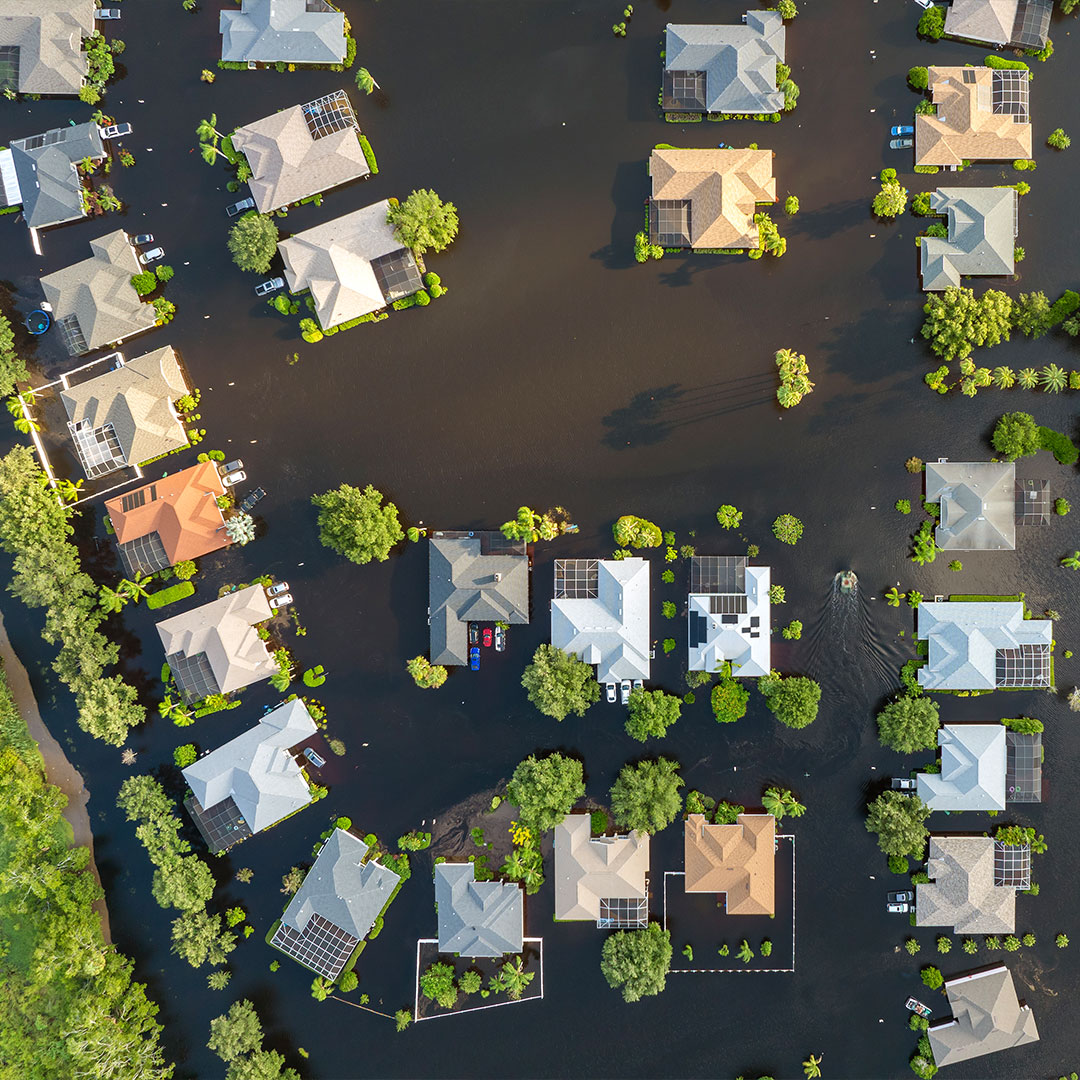
Houston’s climate offers its residents sunshine and vibrant city living, but it also brings extreme weather challenges that homeowners’ associations (HOAs) cannot afford to ignore. Between hurricane threats, flash flooding, prolonged heatwaves, and high humidity, the potential for property damage and safety concerns is significant. Strategic preparation isn’t a luxury; it’s a necessity.
For HOAs, storm preparedness is directly tied to protecting property value, maintaining resident safety, and reducing long-term costs. This article outlines how Houston HOAs can effectively prepare for and respond to extreme weather events by adopting proactive planning, communication, and maintenance strategies.
Why Houston’s Weather Poses Unique Risks to HOAs
Houston’s geographical location along the Gulf Coast makes it one of the most weather-vulnerable metropolitan areas in the United States. The city is regularly impacted by hurricanes, tropical storms, and intense seasonal rainfall that can lead to severe flooding. Additionally, the area experiences long periods of extreme heat and high humidity, which can accelerate the wear and tear on building materials and infrastructure.
HOAs in Houston must account for these conditions when planning property maintenance, resident safety protocols, and capital improvement budgets. Failure to prepare for these environmental stressors can result in increased insurance claims, property devaluation, and dissatisfied residents. A thorough understanding of Houston’s unique climate risks allows HOAs to take a preventive and informed approach to community care.
Emergency Planning for Storm Season
A comprehensive emergency response plan is the backbone of storm preparedness. This plan should be customized for each community’s layout, resident demographics, and physical assets. It serves as a guide for how the HOA will respond before, during, and after an extreme weather event.
Key elements of a strong emergency plan include:
- Clearly defined evacuation procedures and safe assembly points.
- Detailed roles and responsibilities for board members, property managers, and volunteers.
- A list of priority vendors for post-storm cleanup and emergency repair (e.g., roofing, tree removal, HVAC, electrical).
- Pre-storm service agreements to secure priority access and pricing during peak demand.
- Identified storage areas for sandbags, portable generators, fuel, and safety supplies.
- Collaboration and information-sharing with local emergency authorities and official alert systems.
HOAs should review and update their emergency plans at least annually and conduct drills or informational sessions with board members and community leaders before hurricane season.
Communication Systems for Resident Updates
In times of crisis, communication is one of the most important responsibilities for any HOA. Clear, consistent, and accessible information can ease resident anxiety, prevent misinformation, and enable quicker decision-making.
Recommended communication systems include:
- Mass email and SMS platforms for urgent alerts and reminders.
- A centralized community portal or HOA app with up-to-date news and reference materials.
- Use of social media or messaging groups (if appropriate and monitored) for real-time sharing.
- Distribution of printed notices for residents without digital access.
- A pre-storm communication checklist with preparation reminders, amenity closures, and safety steps.
- A post-storm communication protocol outlining restoration efforts, insurance contacts, and reporting procedures.
Establishing these systems ahead of time allows the HOA to maintain resident trust and reduce confusion when it matters most.
Maintenance Strategies Before and After Storms
Proper maintenance—both in anticipation of a storm and immediately afterward—is a critical line of defense in minimizing property damage and protecting shared community assets.
Before a Storm:
- Inspect and clear all drainage infrastructure: gutters, culverts, storm drains, and retention basins.
- Trim trees and remove dead limbs near buildings and walkways.
- Secure or remove outdoor furniture and loose objects that may become airborne.
- Check roofs, fences, and exterior structures for weak points and existing damage.
- Test backup systems like emergency lighting, sump pumps, and gate access controls.
After a Storm:
- Conduct a full walk-through inspection of the community to assess damage.
- Photograph and document damage to support insurance claims.
- Prioritize repairs for safety hazards, such as electrical issues or structural compromises.
- Coordinate debris removal and sanitation in common areas.
- Review vendor performance and update maintenance logs for future reference.
Insurance and Documentation Best Practices
Storm preparedness also involves a financial strategy—specifically, understanding and managing insurance coverage. Many HOAs are surprised to learn that certain storm-related damages are excluded or only partially covered under their policies. That’s why an annual policy review is crucial.
To ensure strong insurance preparedness, HOAs should:
- Review all insurance policies annually with a broker familiar with HOA and Houston-specific risks.
- Confirm coverage limits align with updated replacement and repair costs.
- Understand deductibles and exclusions, particularly for wind and flood damage.
- Ensure coverage includes clubhouses, pools, fences, signage, and mechanical systems.
Documentation is equally important:
- Take photos and videos of common areas and structures before storm season.
- Store digital copies of insurance documents, vendor agreements, and emergency contact lists.
- Assign a designated claims coordinator to oversee submissions and communication with insurers.
Being proactive about insurance and documentation can significantly reduce stress, delays, and financial losses in the aftermath of a storm.
Houston HOAs face no shortage of challenges when it comes to extreme weather, but a proactive approach makes all the difference. From comprehensive emergency plans and effective communication to diligent maintenance and insurance preparedness, every step taken in advance is a safeguard for the future.
At Genesis Community Management, we specialize in helping communities prepare, respond, and recover. Our Houston-based team brings the experience, local knowledge, and operational systems your HOA needs to navigate storm season with confidence.